
Floor‑Standing Digital Signage vs. Wall‑Mounted Advertising Displays: Which Is the Better Choice for Retail Stores?
As digital marketing continues to reshape the retail industry, digital signage has become an essential tool for attracting customers, promoting products, and enhancing the in‑store shopping experience. Retailers today commonly choose between two primary display solutions: floor‑standing digital signage and wall‑mounted advertising displays. While both options offer significant benefits, selecting the right one depends on a store’s layout, marketing objectives, available space, and budget.
Understanding Floor‑Standing Digital Signage
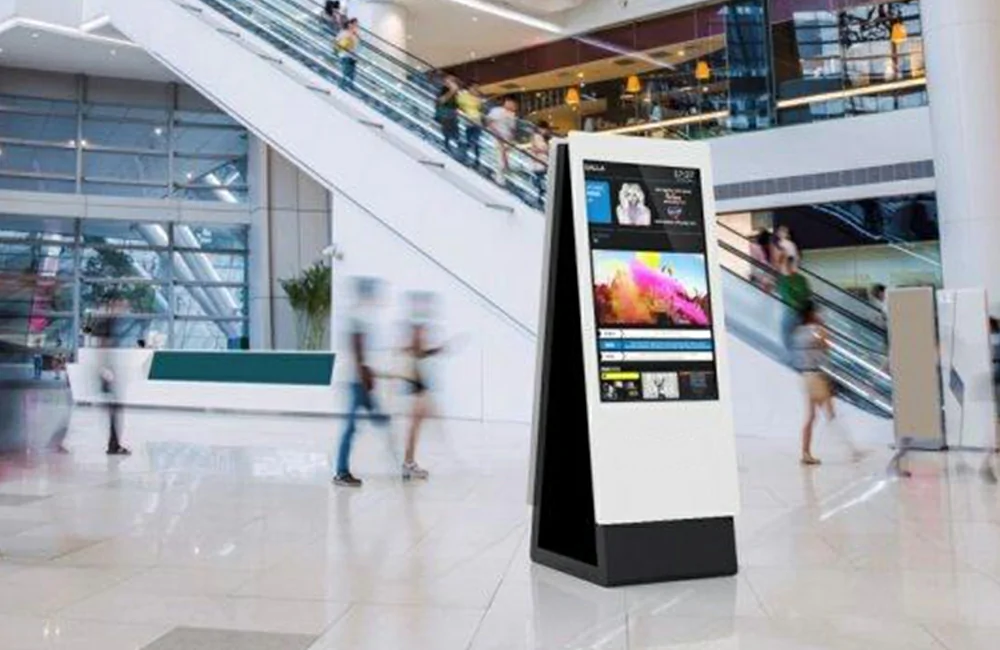
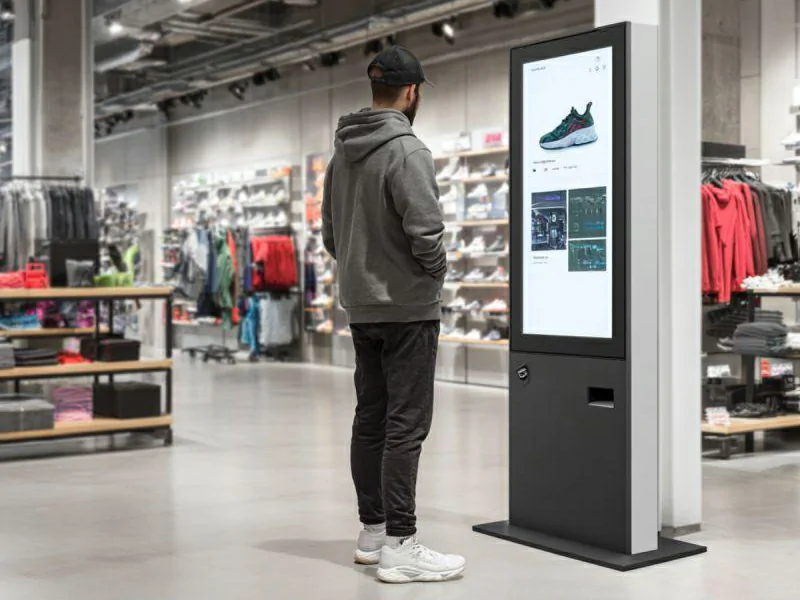
Floor‑standing digital signage consists of freestanding display units that can be positioned throughout a retail environment. These displays are often placed near store entrances, promotional zones, or high‑traffic areas to capture customer attention immediately.
One of the biggest advantages of floor‑standing displays is their visibility. Because they are positioned directly within customers’ line of sight, they can effectively showcase promotional campaigns, seasonal offers, and brand messages. Their portability also allows retailers to move them as needed to support changing marketing strategies or store layouts.
However, floor‑standing displays require dedicated floor space, which can be a challenge for smaller retail environments. They also tend to have higher hardware and maintenance costs compared to wall‑mounted alternatives.

Understanding Wall‑Mounted Advertising Displays
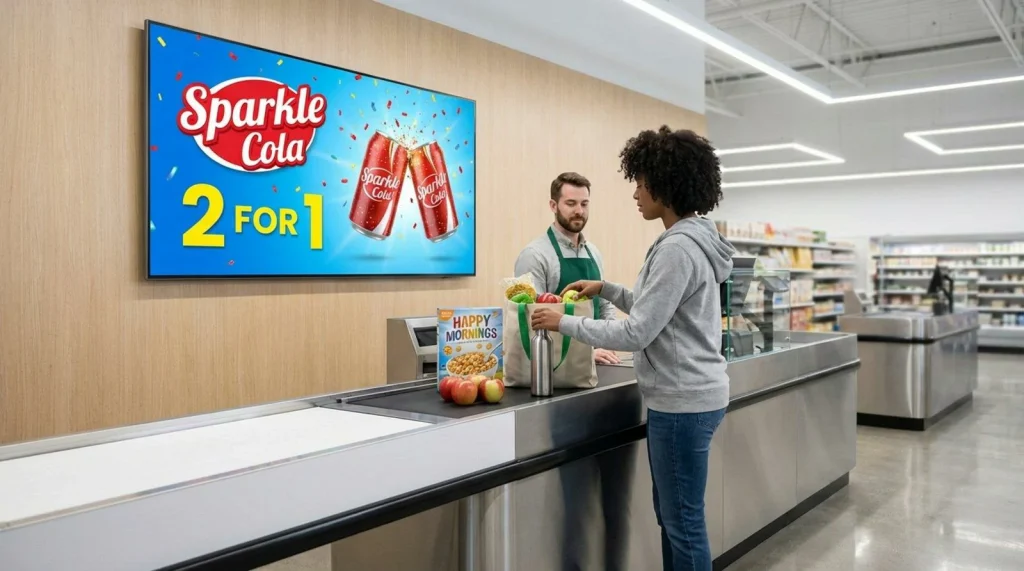
Wall‑mounted advertising displays are fixed screens installed on walls throughout a store. They are commonly used to deliver product information, promotional content, brand messaging, and digital menu boards without occupying valuable floor space.
These displays are particularly beneficial for retailers with limited square footage. By utilizing vertical space, wall‑mounted screens help maintain a clean and organized store layout while ensuring that marketing messages remain visible to shoppers. They are also generally more secure and less susceptible to accidental damage than freestanding units.
The primary limitation of wall‑mounted displays is their fixed location. Once installed, repositioning them can be difficult and costly. Additionally, they may attract less immediate attention than floor‑standing displays placed directly in customer traffic paths.

Comparing the Two Solutions
When comparing floor‑standing digital signage and wall‑mounted advertising displays, several factors should be considered.
Visibility and Customer Engagement
Floor‑standing displays typically generate higher engagement because they are strategically positioned where customers naturally walk. Their presence in central traffic areas makes them ideal for attracting attention and driving impulse purchases.
Wall‑mounted displays, while still effective, generally rely more on strategic placement and compelling content to capture customer interest.
For retailers with limited floor space, wall‑mounted displays offer a clear advantage. They maximize available selling space while still providing valuable advertising opportunities.
Space Utilization
Floor‑standing displays require dedicated floor area, which may not be practical for compact stores.
Installation and Flexibility
Floor‑standing signage is often easier to deploy and relocate. Retailers can quickly reposition displays to support new promotions or seasonal campaigns.
Wall‑mounted displays require professional installation and are generally intended for long‑term placement. While they offer stability, they lack the flexibility of freestanding solutions.
Cost Considerations
Wall‑mounted displays are often more cost‑effective due to simpler hardware requirements and reduced installation complexity. Floor‑standing units may involve higher upfront costs but can provide greater marketing impact in high‑traffic locations.
Which Option Is Best for Different Retail Environments?
The ideal choice often depends on store size and operational needs.
Small retail stores and boutiques typically benefit more from wall‑mounted displays because they preserve valuable floor space while maintaining a professional appearance.
Medium‑sized retailers can achieve strong results by combining both solutions, using floor‑standing displays near entrances and wall‑mounted screens throughout the sales floor.
Large retail stores, shopping centers, furniture showrooms, and electronics retailers often gain the most value from multiple floor‑standing displays positioned at key customer touchpoints, supported by wall‑mounted screens for product education and brand communication.
The Hybrid Approach: The Best of Both Worlds
For many retailers, a hybrid digital signage strategy offers the greatest return on investment. A floor‑standing display at the store entrance can capture attention and promote key campaigns, while wall‑mounted displays throughout the store reinforce messaging, provide product information, and encourage additional purchases.
This combination enables retailers to maximize visibility, improve customer engagement, and utilize store space efficiently.
Conclusion
Both floor‑standing digital signage and wall‑mounted advertising displays play important roles in modern retail marketing. Floor‑standing displays excel at attracting attention and driving engagement, while wall‑mounted screens offer space efficiency and consistent messaging throughout the store.
Rather than viewing them as competing solutions, retailers should evaluate how each format supports their specific business goals. In many cases, integrating both types of displays creates a more dynamic and effective customer experience, ultimately leading to stronger brand visibility and increased sales.